Air-Purifying Houseplants

Camille Dubois
| 02-06-2026
 · Plant Team
The modern home is basically a sealed box filled with invisible chemical soup.
Most of us spend around 90% of our time indoors, often in spaces with little ventilation, where harmful volatile organic compounds (VOCs) can build up and cause health issues.
But here's the good news: those leafy friends sitting on your windowsill might be doing more than just looking pretty.
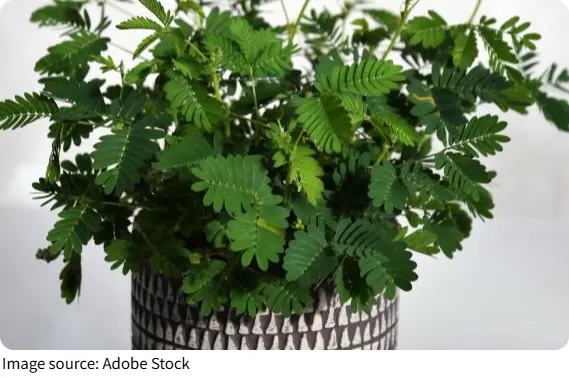
The Science Behind Plant-Powered Air Cleaning
NASA studied about a dozen popular ornamental plant varieties to determine their effectiveness in removing key pollutants associated with indoor air pollution. The discovery? Plants are surprisingly good at this job. Houseplants absorb harmful gases through their leaves and root systems, essentially acting like living air filters. Think of them as tiny, green maintenance crews that never clock out.
Indoor pollutants come in two main varieties: particulates like dust and mold spores, and VOCs (gases released from paints, fabrics, carpeting, plastics, furniture polish, and even mothballs). Your couch, that fresh coat of paint, your cleaning supplies? They're all quietly releasing chemicals into the air you breathe.
Top Performers for Your Indoor Jungle
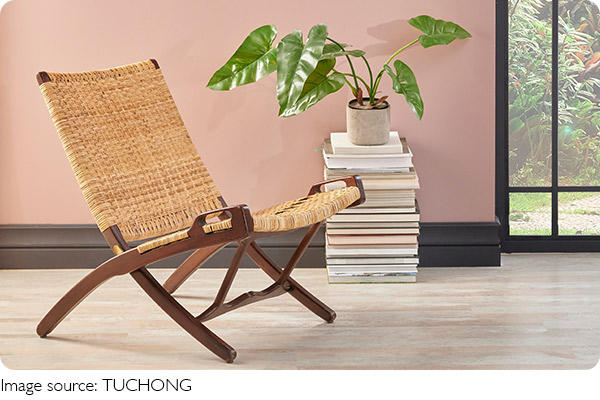
According to NASA's Clean Air Study, the Snake Plant is one of the most effective air-purifying houseplants, removing toxins like formaldehyde, benzene, and nitrogen oxides while requiring very little maintenance. It's the overachiever of the plant world and nearly impossible to mess up, even if you forget about it for weeks.
The Peace Lily is one of the most effective houseplants for removing airborne toxins like benzene, formaldehyde, and carbon monoxide, thriving in low light and needing only occasional watering. Plus, it blooms elegant white flowers, so you get beauty and function in one package.
Areca palms remove all indoor air toxins, add humidity to your home (a tall one releases about a quart of water daily), and are especially good at removing toluene and xylene. They're basically humidifiers that photosynthesize.
English Ivy helps remove benzene, formaldehyde, xylene, and toluene while also reducing mold and airborne particles. Research shows it can eliminate up to 78% of airborne mold within 12 hours, making it particularly useful in humid areas like bathrooms.
Spider Plant, Pothos, Aloe Vera, Dracaena, Philodendron, Rubber Plant, and Chrysanthemum round out the top 10, each targeting different indoor pollutants and suiting various light conditions and care levels.
The Reality Check
Before you turn your apartment into a botanical garden, know this: plants alone are not a substitute for mechanical air filtration, but they meaningfully contribute to cleaner, healthier indoor air over time. HEPA purifiers quickly remove dust and particles, while plants slowly absorb gases and VOCs, so using both together provides the most comprehensive approach.
Also, overwatering and poorly maintained pots can contribute to moisture problems or microbial growth indoors, so don't sabotage your air quality efforts by creating a swamp.
So yes, fill your space with greenery. Your lungs will thank you, your stress levels might drop, and at the very least, your home will look like you have your life together. Just remember: plants are partners in air quality, not miracle workers. Pair them with proper ventilation, and you've got yourself a genuinely healthier home.