Growing Independent Minds

Amina Hassan
| 12-05-2026
 · Lifestyle Team
In our fast-moving world, information is everywhere, but clear thinking is not always easy to develop.
Many children can quickly learn facts, yet the ability to think independently, ask meaningful questions, and make their own judgments takes time and guidance.
As we explore this topic together, we focus on simple and practical ways to help children build strong thinking habits in daily life.
Why Independent Thinking Matters for Growth
Independent thinking helps children develop their own viewpoints. Instead of relying only on outside opinions, they begin to observe, reflect, and form ideas based on understanding. This gives them the confidence in expressing themselves and helps them respond to challenges with clarity.
It also supports creativity. When children are encouraged to think freely, they are more willing to try new approaches in drawing, writing, building, or problem-solving. Creativity often begins with curiosity, and curiosity grows when children feel safe to explore ideas without pressure.
Another important benefit is adaptability. As children grow, they will meet new environments and unexpected situations. Those who can think independently tend to adjust more easily because they are used to analyzing situations and considering different possibilities before acting.
Encouraging Questions and Natural Curiosity
One of the most effective ways we can support thinking skills is by welcoming questions. When children ask “why” or “how,” it is a sign that they are trying to understand the world more deeply. Instead of giving immediate answers every time, we can gently guide them to explore and discover solutions on their own.
We can also create small decision-making moments in everyday life. For example, when planning a simple outing or activity, we can invite children to compare options, think about timing, or consider what they might enjoy most. Through these experiences, they gradually learn how to evaluate different factors and make thoughtful choices.
This approach builds confidence. When children feel that their ideas are heard and respected, they become more willing to express thoughts and explore new perspectives.
Expanding Understanding Through Experience
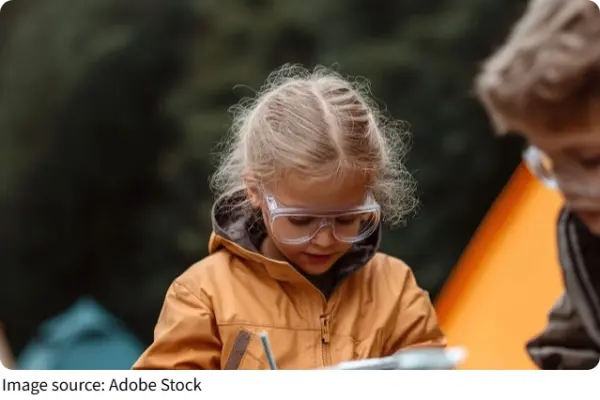
A wide range of experiences helps children think more deeply. Reading different types of materials, such as stories, science topics, or historical events, allows them to see how ideas connect across subjects. When we discuss what they read, we give them space to explain their understanding in their own words.
Real-life experiences are equally valuable. Visiting cultural spaces, science centers, or natural environments helps children connect what they learn with what they observe. These experiences make learning more meaningful and help children understand that knowledge exists beyond books and classrooms.
Supporting various interests also plays a key role. Whether a child enjoys building, painting, writing, or exploring nature, each interest encourages different ways of thinking. Over time, these activities help shape a more flexible and open mindset.
Developing Critical Thinking Skills
Critical thinking means learning to examine information before accepting it. Children begin to understand that not everything is straightforward and that ideas can be explored from different angles.
Simple conversations can help develop this ability. When discussing a story or a situation, we can ask open questions like “How did a character make this choice?” or “What other options might exist?” These discussions encourage children to reflect rather than simply agree.
Group discussions or role-based activities are also useful. When children share opinions and listen to others, they learn that different viewpoints can coexist. This helps them build respect for diverse ideas while strengthening their own reasoning skills.
Another helpful approach is guiding them to analyze outcomes. When they face small challenges, we can encourage them to think about possible results before making decisions. This helps them understand cause and effect in a practical way.
Supporting Growth Through Guidance and Trust
Sometimes, the best way to help children grow is by giving them space. When they face small problems, allowing them to try first helps build confidence and independence. Even when mistakes happen, those moments become valuable lessons for future thinking.
We do not need to control every step of their journey. Instead, we can offer guidance when needed while still allowing freedom to explore. This balance helps children feel both supported and capable.
Respecting their thinking process is also important. Each child develops at a different pace, and their ideas may not always match ours. By listening with patience and encouraging their efforts, we help them build trust in their own reasoning.
Growing Together in Thought
Independent thinking develops gradually through everyday experiences, conversations, and opportunities to explore. It is not about quick results, but about steady growth over time.
Lykkers, when we encourage children to ask questions, explore ideas, and express themselves freely, we help them build a stronger way of understanding the world. At the same time, we reflect on our own thinking and communication.
Together, we create an environment where thinking is valued, curiosity is welcomed, and growth becomes a shared journey.