Tea Set Style

Finnegan Flynn
| 16-04-2026
 · Lifestyle Team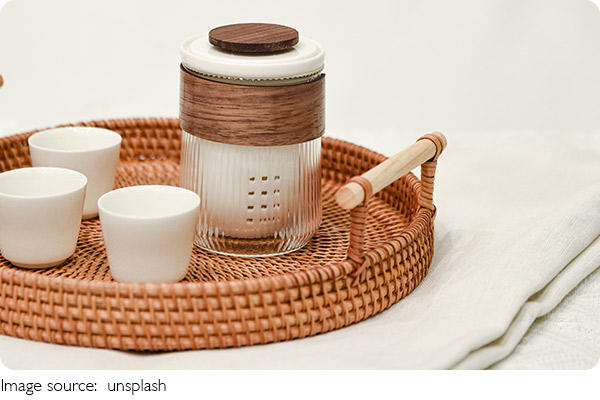
A table set for tea changes the atmosphere of a room before the first cup is poured. The sound of water, the curve of a teapot, and the texture of cups all shape the experience.
A tea set is not only about serving tea—it defines how the moment feels.
Choosing the right one depends less on decoration and more on material, function, and lifestyle rhythm.
Porcelain: Clean and Balanced Elegance
Porcelain tea sets are often the first choice for households seeking versatility. Their smooth surface, neutral tone, and lightweight structure make them suitable for almost any tea type.
The material retains heat moderately well and does not interfere with flavor, which makes it ideal for everyday use. Visually, porcelain fits both modern and traditional interiors without conflict.
Best suited for:
1. Daily tea routines in shared spaces
2. Light floral or green teas
3. Minimalist or modern home interiors
4. Hosting casual guests
Its strength lies in balance—neither too delicate nor too heavy in character.
Glass: Clarity and Visual Experience
Glass tea sets offer a different kind of value: visibility. Watching tea leaves unfold, color shift, and movement develop inside a transparent vessel adds a visual layer to the drinking experience.
While glass does not retain heat as long as other materials, it excels in presentation. It turns brewing into a slow, observable process rather than a hidden one.
Best suited for:
1. Herbal or blooming teas
2. Brewing demonstrations or shared viewing
3. Bright, open kitchen or dining spaces
4. Short brewing sessions
Glass tea sets emphasize experience over insulation, making them ideal for visual enjoyment.
Clay: Depth and Tradition
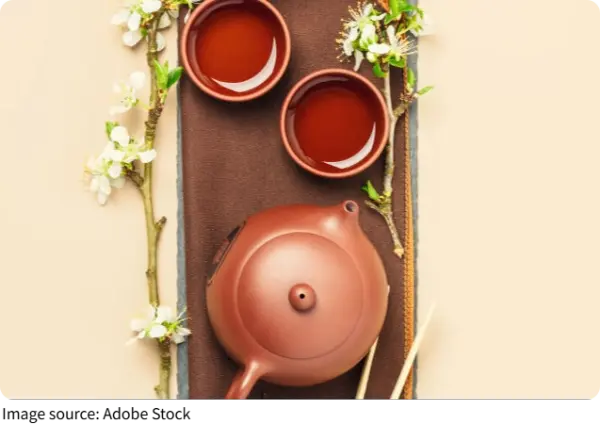
Clay-based tea sets, often unglazed or partially glazed, are deeply connected to traditional brewing culture. The porous structure of the material allows it to absorb trace elements of tea over time, subtly influencing flavor.
This creates a long-term relationship between user and vessel. The more it is used, the more personalized the experience becomes.
Best suited for:
1. Oolong or pu-erh style teas
2. Long brewing sessions with repeated use
3. Quiet, focused tea rituals
4. Traditional or rustic interior styles
Clay tea sets are not about instant clarity—they are about gradual development.
Matching Tea Set to Lifestyle
Choosing a tea set is less about rules and more about alignment with daily habits. A single household may even use multiple materials depending on time of day or mood.
Key selection logic:
1. Frequency of tea drinking (daily vs occasional)
2. Type of tea most commonly consumed
3. Visual preference (transparent, neutral, earthy)
4. Storage and maintenance capacity
Understanding these factors helps narrow choices without overwhelming options.
Function Meets Aesthetic
A tea set often sits at the intersection of utility and design. Even when not in use, it contributes to the visual tone of a space. A porcelain set can soften a minimalist room, while clay adds warmth and grounding presence. Glass introduces openness and lightness.
This dual role makes selection more intentional than it appears at first glance.
Care and Long-Term Use
Different materials require different levels of care, which also influences long-term satisfaction.
Practical care notes:
1. Porcelain: easy rinse, minimal residue retention
2. Glass: avoid sudden temperature changes
3. Clay: no strong detergents, gentle rinsing only
4. All types: dry fully before storage
Proper care ensures that the tea set ages gracefully instead of wearing down prematurely.
A Quiet Design Decision That Shapes Routine
A tea set is often chosen once, but used repeatedly over years. That makes it more than a purchase—it becomes part of daily rhythm. Whether porcelain, glass, or clay, each material shapes how tea is experienced, not just served.
In the end, the right tea set is not the most expensive or decorative one, but the one that naturally fits into your space and slows the moment just enough to be noticed.