Outdoor Flower Inspire!

Pardeep Singh
| 02-02-2026
 · Plant Team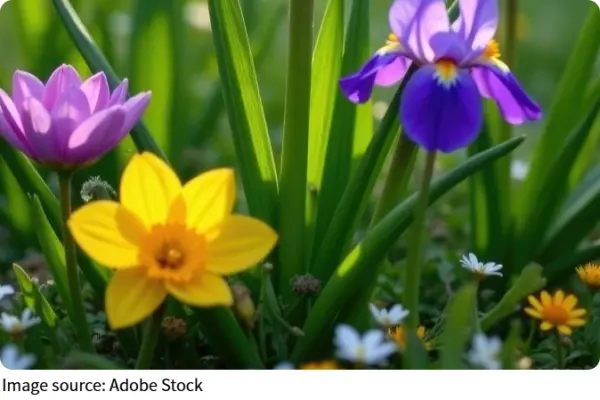
In an increasingly urbanized world, outdoor flower displays offer a serene escape, blending art, horticulture, and the subtle rhythm of nature.
Beyond simple garden beds, thoughtfully curated floral arrangements in public spaces, botanical gardens, and private estates can evoke wonder, inspire creativity, and deepen our connection with the natural environment.
The Art and Science of Floral Design
Outdoor flower displays are a delicate balance of science and artistry. Designers consider color theory, texture, and seasonal cycles to craft an immersive experience. For instance, combining the velvety purple of salvias with the bright yellow of marigolds creates a striking complementary contrast that draws the eye.
Meanwhile, layering plants of varying heights from low-growing pansies to towering hollyhocks adds dimensionality, guiding visitors through the landscape.
Every element is intentional: flowers are selected not only for beauty but for their ecological role, attracting pollinators like bees, butterflies, and hummingbirds, which enrich the garden’s vitality. Horticultural knowledge is equally critical. Soil composition, sunlight exposure, and water management dictate which species will thrive.
Successful displays often feature native plants, which require less maintenance, support local ecosystems, and provide seasonal continuity.
Cultural Narratives in Gardens
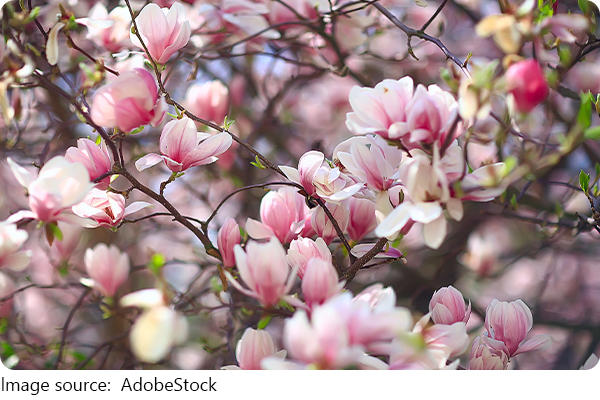
Outdoor flower displays are often more than ornamental; they tell stories. Many historical gardens, such as those in Japan or France, integrate flowers to convey symbolism and tradition. Cherry blossoms in Japanese parks symbolize the fleeting nature of life, inviting reflection, while the formal parterres of Versailles reflect the grandeur and precision of 17th-century French design.
Seasonal Transformations and Dynamic Experiences
One of the most captivating aspects of outdoor flower displays is their dynamic nature. Unlike static sculptures, flowers change with the seasons, offering fresh perspectives throughout the year. Spring bursts with tulips and daffodils, while summer highlights vibrant zinnias and cosmos.
Autumn transitions to chrysanthemums and asters, and even winter can feature hardy evergreens interspersed with ornamental cabbages. The cyclical evolution encourages repeat visits, fostering an ongoing relationship between the observer and the garden. Each season provides a unique palette and texture, prompting an appreciation for both ephemeral beauty and the persistence of life.
Interactive and Immersive Gardens
Modern outdoor flower installations are increasingly interactive, inviting engagement beyond observation. Some botanical gardens incorporate scented paths, tactile plants, or informational plaques that detail each species’ origin and ecological importance. Children’s gardens, in particular, use hands-on activities like planting or pollinator observation to spark curiosity and a sense of stewardship.
Immersive designs often play with scale, allowing visitors to walk through towering sunflowers or maze-like rose hedges. Such experiences transform passive viewing into active participation, creating lasting impressions and inspiring personal creativity.
Inspiration Beyond the Garden
The impact of outdoor flower displays extends far beyond their physical location. Artists, photographers, landscape architects, and even casual visitors often leave inspired, incorporating elements of design, color combinations, or plant selection into their own projects.
Moreover, studies indicate that exposure to nature, including vibrant floral environments, reduces stress, boosts mood, and enhances cognitive function. Gardens, therefore, become more than aesthetic spaces—they are catalysts for well-being and personal growth.
For anyone seeking to awaken their senses or cultivate fresh ideas, venturing into these floral landscapes is not just a pastime—it’s a journey into a world where beauty, science, and culture converge, leaving visitors both enchanted and deeply inspired.