Cold-Loving Greenery

Santosh Jha
| 12-01-2026
 · Plant Team
If you've ever walked through a frost-covered field and wondered how anything green survives there, you're not alone. It feels almost magical to see a patch of moss peeking out from under snow or a tiny shrub still standing after weeks of ice and wind.
Yet, some plants don't just survive these conditions—they thrive. Understanding how they do it reveals not only nature's resilience but also practical lessons for gardeners and conservationists.
How Plants Survive Bitter Cold
Plants in extreme cold have evolved remarkable adaptations. Some change their physical structure, while others alter their chemistry. For example, many arctic plants develop low, cushion-like shapes to reduce exposure to wind and conserve heat. Others produce natural antifreeze proteins that prevent ice crystals from damaging their cells. These aren't random tricks but strategies honed over thousands of years to make the most of short growing seasons and harsh climates.
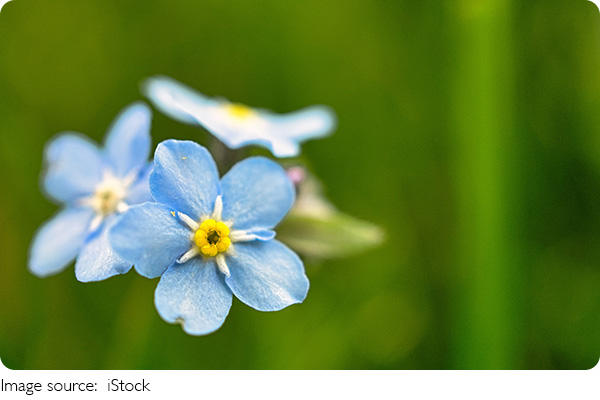
1. Alpine Forget-Me-Nots
These tiny blue flowers seem delicate but are tough as nails. They grow in rocky alpine meadows where snow can linger into summer. By hugging the ground and blooming quickly once the snow melts, they take full advantage of the brief warmth. Their vibrant color also attracts the few pollinators active in cold regions, ensuring reproduction before frost returns.
2. Arctic Willow
Known as one of the northernmost shrub-like plants, the Arctic willow grows as a small shrub or even a creeping groundcover. Its flexible branches and low profile protect it from icy winds. What's fascinating is its ability to photosynthesize at low temperatures and under weak light, making the most of the short arctic summer.
3. Moss Campion
Moss campion forms dense, cushion-shaped mats that look like moss but are actually flowering plants. This shape traps heat and protects roots from frost. It also channels scarce moisture toward the plant's center, a vital trick when water is locked up as ice for much of the year.
4. Cushion Saxifrage
Saxifrages are champions of extreme environments. The cushion saxifrage grows on windswept slopes where other plants can't survive. Its thick leaves retain moisture, and its compact form shields it from freezing winds. Some varieties even bloom with snow still on the ground, showing just how well adapted they are.
Lessons for Gardeners and Nature Lovers
Learning from these plants can help anyone trying to grow greenery in cold regions.
1. Choose compact forms: Plants with low, cushion-like shapes are naturally more wind-resistant and better at retaining warmth.
2. Look for underground storage: Species with bulbs or rhizomes store energy to survive winters, making them more reliable in frosty climates.
3. Consider timing: Plants that bloom quickly after snowmelt can complete their life cycles before harsh weather returns.
These strategies aren't just for wild plants. Gardeners can select varieties with similar traits to enjoy hardy flowers or shrubs even where winter is long.
Beyond Beauty: Ecological Roles
Cold-hardy plants also play a vital role in their ecosystems. They stabilize soil, provide food for insects and small animals, and create microhabitats where other species can thrive. In the Arctic tundra, for example, cushion plants create small pockets of warmth and nutrients that support other life forms. Without them, entire food webs would struggle.
A Thought to Take Away
Next time you see a patch of greenery surviving in frost, remember it's not a miracle but a masterpiece of adaptation. These plants teach us about patience, timing, and resilience—qualities we could use in our own lives. They remind us that even in the harshest conditions, life finds a way not just to endure but to flourish.